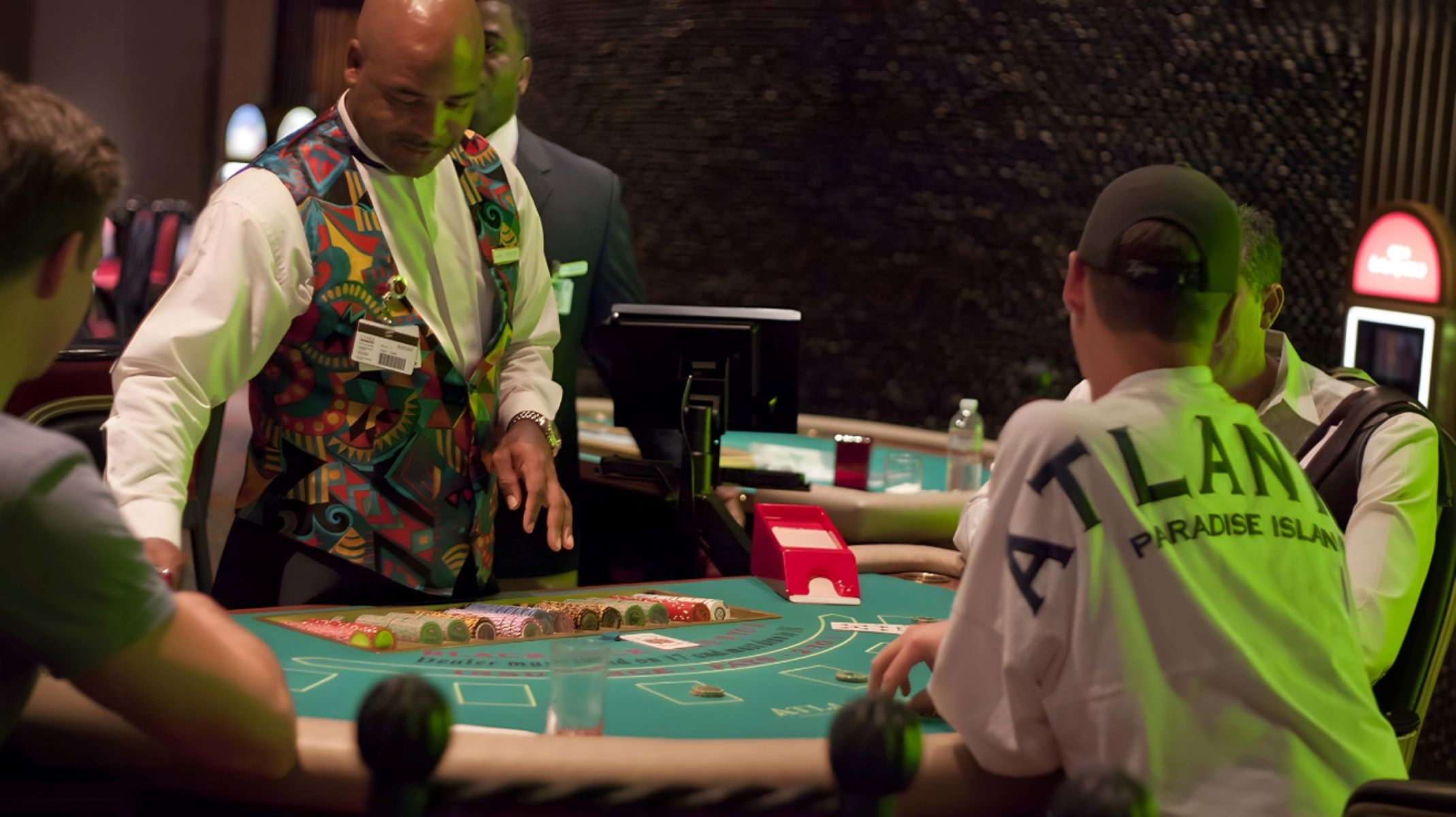
Blackjack. Just the name itself brings the sound of chips clinking and cards snapping to mind. Whether you’re playing at Montecasino in Johannesburg or on a mobile app from your couch in Cape Town, blackjack remains one of the most thrilling games around. But there’s one little side bet that often causes confusion, especially for South African players: the insurance bet. If you’ve ever been prompted with “Would you like to take insurance?” during a game and sat there blinking like a confused chameleon—don’t worry. You’re not alone. Let’s break it down step by step in a friendly, no-nonsense guide, the South African way.
What Is a Blackjack Insurance Bet, Anyway?
So here’s the deal: the insurance bet is basically a side bet you can place when the dealer’s face-up card is an Ace. This situation is special because the dealer might have a blackjack, which means a two-card total of 21. If the dealer does have blackjack, it’s bad news for your chances of winning the main hand since their hand automatically beats most other hands unless you also have a blackjack. The insurance bet is offered as a way to protect yourself against that specific risk.
Think of insurance as a safety net that you can throw over your main bet. When you take insurance, you’re essentially betting that the dealer’s hidden card, the one face-down, is worth 10. This includes any 10, Jack, Queen, or King card, because combined with the Ace, these would create the dealer’s natural blackjack. It’s a separate wager that is independent of your main hand, designed specifically to cover the possibility of the dealer having blackjack.
If your guess is right and the dealer’s hidden card is indeed a 10-value card, your insurance bet pays out at 2:1 odds. This means that for every unit you wager on insurance, you get double back if the dealer has blackjack. However, if the dealer does not have a blackjack, you lose the insurance bet, but the game continues as usual, and you still have a chance to win or lose your original main bet depending on the outcome of your hand against the dealer’s.
The insurance bet might sound tempting because it offers a way to reduce risk, but it’s important to remember that it is a separate wager with its own odds. Taking insurance doesn’t guarantee that you will not lose money overall—it only provides a potential payout if the dealer has blackjack. If the dealer does not have blackjack, you lose the insurance bet, which means you are effectively paying extra for a safety net that might never be needed.
How Does the Insurance Bet Work in South African Blackjack?
| Dealer’s Hidden Card | Total Hand Value | What Happens to Your Main Bet? | What Happens to Your Insurance Bet? | Overall Result for You |
| 10, Jack, Queen, King | 21 (Blackjack) | You lose your R100 main bet. | You win your insurance bet at 2:1, so you receive R100 (R50 x 2). | You break even because your insurance payout covers your main loss. |
| Any other card | Less than 21 | The game continues; you might win or lose your main bet based on further play. | You lose your R50 insurance bet. | You lose your insurance bet but still have a chance to win or lose the main bet. |
| Dealer does not have blackjack (no 10-value card) | Less than 21 | Game proceeds normally | Insurance bet is lost | You lose insurance bet but main game continues |
| Dealer has blackjack (10-value card) | 21 | Main bet lost unless you also have blackjack (push) | Insurance bet pays 2:1 | Insurance covers main bet loss or helps break even |
| Player has blackjack while dealer shows Ace and offers insurance | — | Push if dealer has blackjack, otherwise player wins main bet | Insurance bet outcome as above | Insurance bet can offset or add to the final payout |
The Catch: Insurance Isn’t Really About Your Hand
- Many players get confused because they assume the insurance bet relates to their own cards, but it actually doesn’t.
- The insurance bet is strictly about the dealer’s potential blackjack, not your hand’s strength or value.
- Even if you have a natural blackjack (an Ace and a 10-value card), the insurance bet is a completely separate wager.
- Taking insurance doesn’t protect your main hand or improve your chances of winning that hand directly.
- It’s like placing a side bet on a different outcome happening, independent from your current game situation.
- You’re essentially betting that the dealer’s hidden card will be a 10-value card, which would give them a blackjack.
- This side bet acts as a hedge, meaning you’re trying to minimize losses if the dealer does have blackjack.
- If the dealer does have blackjack, the insurance pays out at 2:1 odds, offsetting the loss of your main bet.
- If the dealer doesn’t have blackjack, you lose the insurance bet but the main game continues as usual.
- The insurance bet is offered only when the dealer’s face-up card is an Ace, signaling the potential for blackjack.
- Players sometimes mistakenly believe insurance is a protective move for their hand, but it’s actually a bet against the dealer’s hand.
- Because it’s a side bet, it has different odds and payout rules than the main blackjack game.
- Insurance betting is a gamble on the dealer’s hidden card, completely unrelated to your own cards or strategy.
- Think of it as wagering on a separate race while still running your own race—you’re hedging your risks, not changing your position in the main event.
- Understanding this separation is crucial to making smarter decisions about whether or not to take insurance.
- For most players, especially beginners, it’s better to focus on playing the main hand well rather than worrying about insurance.
- Experienced players or card counters might use insurance strategically, but for casual players it’s often a losing bet over time.
- Ultimately, insurance is a small side bet that can cost you more in the long run if taken without clear reason or advantage.
When Are You Offered Insurance in Blackjack?
The insurance bet in blackjack is a very specific option that only becomes available under one clear circumstance: when the dealer’s face-up card is an Ace. This is because an Ace showing hints strongly at the possibility of a dealer blackjack, which is a powerful hand that can immediately beat most player hands. The game recognizes this risk and offers players a chance to “insure” against it by placing a side bet. This opportunity appears regardless of what cards you hold in your hand—whether you have a strong total or a weak one, the insurance offer is triggered solely by the dealer’s Ace.
It doesn’t matter if you have a blackjack yourself, a low hand, or anything in between. The dealer’s upcard is the only factor that matters. When the dealer reveals an Ace, the game or dealer will typically pause and ask if you want to take insurance, giving you a chance to place a separate bet that protects you if the dealer’s hidden card is a ten-value card, completing their blackjack. This is why insurance is often described as a side bet on the dealer’s potential blackjack rather than on your own hand.
If the dealer’s face-up card is any other card besides an Ace—be it a 10, Jack, Queen, King, or anything else—the insurance option will not be offered. This is a simple, hard-and-fast rule. Since blackjack requires an Ace and a ten-value card, if there’s no Ace showing, there’s no chance for an immediate blackjack, so no need for insurance. Even if the dealer shows a 10 or face card, which is also strong, the game won’t give you the insurance option because the missing piece—the Ace—is not visible.
To sum it up, the insurance bet is exclusively offered when the dealer shows an Ace as their face-up card. This is a clear signal to players that the dealer might have blackjack, giving them the chance to hedge their risk with an insurance bet. In all other cases—whether the dealer shows a 10, face card, or any other card—the insurance option simply does not appear. It’s a straightforward rule designed to help players manage one very specific risk in the game.
Is Taking Insurance a Good Strategy?
| Aspect | Detail | Probability | Payout Offered | Why It Matters |
| Dealer’s Face-down Card Chance | Dealer’s hidden card being 10-valued (10, J, Q, K) | 4 out of 13 cards (approx. 30.77%) | — | This is the actual chance the dealer has blackjack when showing an Ace. |
| Payout on Insurance Bet | Insurance pays 2:1 if dealer has blackjack | — | 2:1 | You get double your insurance bet back plus your original insurance bet if correct. |
| Break-even Probability | Probability required to break even or profit from insurance | 33.33% or higher | — | For insurance to be profitable long-term, dealer must have blackjack 1/3 times or more. |
| Actual Probability vs. Payout | Real odds (30.77%) are less than break-even odds (33.33%) | 30.77% < 33.33% | — | This gap means insurance bet has a negative expected value for players. |
| Long-term Result | Players who take insurance regularly tend to lose money | — | — | Statistically, insurance is a losing bet over many hands despite occasional wins. |
Exceptions: When Insurance Might Be Smart
- Don’t dismiss insurance outright because there are specific scenarios where taking it can be a smart move.
- One key situation is if you’re a card counter who tracks the cards left in the deck. If you know that many 10-value cards remain, the odds of the dealer having blackjack increase, making insurance more favorable.
- Insurance can also make sense when you’re playing at a high-limit table where the stakes are big and the swings in your bankroll can be intense. Here, insurance helps to reduce variance by protecting you from a sudden big loss if the dealer has blackjack.
- If you happen to have a blackjack yourself, taking insurance might protect you against a push. This means if the dealer also has blackjack, your insurance bet pays out and you don’t lose money overall, which can be a comforting safety net.
- Some professional players use insurance as part of a broader advanced blackjack strategy, especially when combined with other betting tactics or when playing single-deck games with favorable rules.
- Insurance may occasionally be worth considering during tournaments or special blackjack variants where the payout structures or rules shift the expected value.
- Despite these exceptions, for the average South African player playing casually—whether online or at a local casino—insurance is usually not worth the risk or the extra cost.
- It’s important to evaluate your own skill level, knowledge of the game, and betting style before deciding to take insurance.
- Understanding these exceptions helps you make informed choices rather than blindly accepting or rejecting the insurance bet.
- In general, insurance is best left to experienced players who can accurately assess when the odds tilt in their favor.
- For casual players, focusing on mastering basic blackjack strategy and bankroll management offers much better returns than chasing insurance bets.
What If You Have a Blackjack and the Dealer Shows an Ace?
This situation is one of the trickiest and most interesting moments in blackjack. Imagine you’re dealt a natural blackjack, which means your first two cards are an Ace and a 10-value card, giving you a perfect 21. At the same time, the dealer’s face-up card is also an Ace, which immediately raises the possibility that the dealer might have blackjack too. Because of this, the game offers you the option to take insurance, creating a unique choice with important consequences.
You basically have two options when faced with this scenario. First, you can decline insurance and wait to see if the dealer’s face-down card completes their blackjack. If the dealer does have blackjack, the hand results in a push—meaning neither you nor the dealer wins or loses, and your original bet is returned. If the dealer doesn’t have blackjack, you win your natural blackjack payout, which usually pays out at 3:2 odds, rewarding you handsomely for your perfect hand.
Alternatively, you can take insurance, which means placing a side bet that the dealer’s hidden card is a 10-value card, completing their blackjack. If the dealer does have blackjack, the insurance bet pays out at 2:1, and the main hand is a push. If the dealer doesn’t have blackjack, you lose the insurance bet but still win your main hand with the 3:2 payout. Essentially, this option allows you to break even if the dealer has blackjack, but at the risk of losing the insurance bet if they don’t.
In short, you either get your 3:2 payout by not taking insurance and potentially face a push if the dealer matches your blackjack, or you take insurance and guarantee at least breaking even. While some players dislike the possibility of a push and opt for insurance, mathematically, it’s often better to let the hand ride without insurance. This is because insurance generally has a negative expected value, and over time, not taking insurance tends to be the more profitable strategy.